


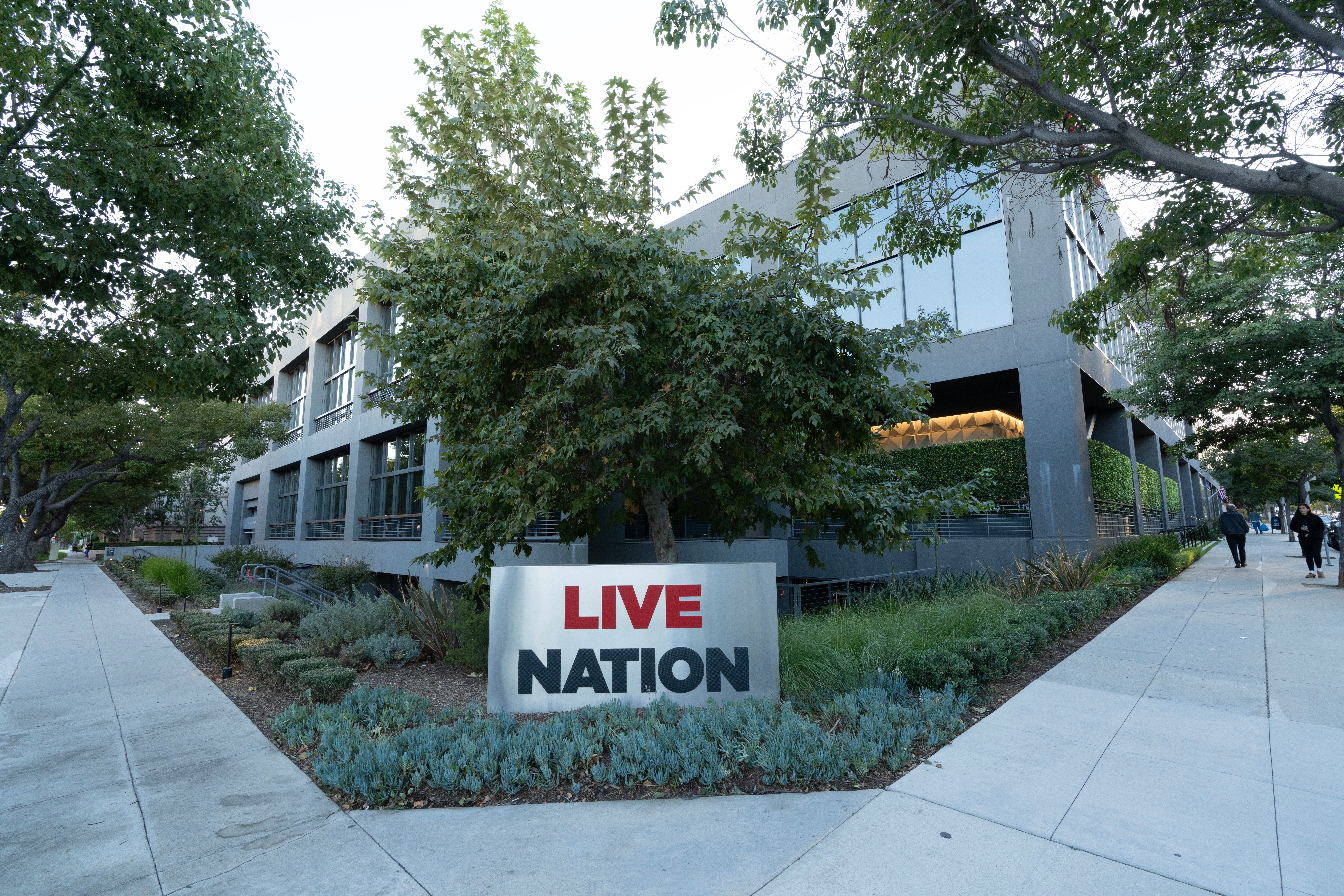
This weekend we got the disappointing but possibly unsurprising news that the Justice Department is wavering on whether to continue its monopoly lawsuit against Live Nation and Ticketmaster. According to a report in Semafor, lobbyists and Live Nation execs have bypassed the department’s antitrust enforcers and are instead negotiating a possible settlement directly with senior DOJ officials. If this happens, it wouldn’t be the first time that companies and their paid help have attempted to kill much-needed antitrust action by skirting DOJ antitrust head Gail Slater and her team of enforcers and going straight to their more pro-monopoly superiors. According to the report:
“Tensions have been simmering for months between the Trump administration’s largely business-friendly accommodation and Slater’s more skeptical approach to corporate mergers. Her authority has been challenged in several high-profile cases, diminishing hopes in both progressive and populist MAGA circles for tough antitrust enforcement.”
Reports of the Trump administration settling the Live Nation lawsuit are not new, and, at least at the moment, the lawsuit is still headed for trial next month. But if the feds do waiver, it will be up to state-level law enforcers to carry on the fight against the most powerful live music company on earth. If that happens, it wouldn’t be the first time, nor the last, that the states were left to carry on when their federal antitrust partners bowed out.
We’ll dive into state antitrust power in a jiffy. But first, a couple thoughts: Regardless of what the Justice Department decides to do with the Live Nation lawsuit, it’s becoming clear that we’ll never truly know what kind of enforcer Slater might have been in a different administration. Slater has been at odds with top Justice Department brass for many months now, according to reports; in each case, she appears to take a principled, pro-enforcement stance on mergers and monopoly power, but corporate lobbyists have effectively sidelined her and her antitrust team and instead looked to their Justice Department buddies to greenlight their deals.
It’s been a year-long saga for Slater and the antitrust division. In January last year, Slater and the department sued to block a deal between Hewlett Packard Enterprises, or HPE, and a company called Jupiter Networks that would have married two of the three largest network service providers in the country. But by June, the government had settled its lawsuit and essentially allowed the companies to merge with few restrictions — a shocking turnaround for a merger that appeared dead on arrival. Soon after, reports surfaced that Slater had opposed the settlement but had been brushed aside by top department officials, who then fired two of Slater’s top deputies for insubordination for speaking out against the settlement. One name surfaced as a central figure in sidelining the antitrust team and getting the settlement done: HPE lobbyist Mike Davis, a longtime Trump world ally and former counsel to Chuck Grassley and the Senate Judiciary Committee. It was Davis, reports say, who convinced senior officials outside the antitrust division to settle the lawsuit and let the merger through, nevermind its obvious monopoly problem.
So, in the hopes that what worked for one monopolist might work for another, Live Nation has reportedly turned to Davis to try to end its Justice Department lawsuit before the case goes to trial. According to the Semafor report, Davis and former Trump campaign manager Kellyanne Conway are lobbying for Live Nation, with Conway having met with Slater and other top officials to try to strike a settlement deal. Davis’ involvement for Live Nation isn’t breaking news; the Wall Street Journal reported last summer that Live Nation had hired Davis try to end the lawsuit. Roger Alford, one of the senior antitrust officials fired over his objections to the HPE/Juniper settlement, also warned that Live Nation was trying to use the HPE playbook to ward off antitrust. “Will the same senior DOJ officials ignore the President’s Executive Order just because Live Nation and Ticketmaster have paid a bevy of cozy MAGA friends to roam the halls of the Fifth Floor in defense of their monopoly abuses?” Alford said at a conference — referring, in this case, to a Trump executive order targeting ticket reselling.
What we do know is that Live Nation and Ticketmaster are one of the most blatant and abusive monopolies in the country.
What that settlement might look like, and whether Davis and his connected buddies succeed in swaying the Justice Department to end its lawsuit, is anyone’s guess. Those familiar with the antitrust division’s work on the case told me last summer that DOJ officials had floated possible settlement options, but that nothing seemed workable and certainly no deal was close to being finalized. After the Semafor report, it’s also unclear whether Slater and other antitrust officials decided against a settlement, so Davis and Conway are trying to once again sideline their concerns and to instead strike a deal with Justice Department higher-ups. That sounds plausible, given the context of the report, but we don’t know.
What we do know is that Live Nation and Ticketmaster are one of the most blatant and abusive monopolies in the country. The company’s abuses have been documented over and over, and the allegations in the DOJ’s lawsuit constitute straightforward monopoly crimes. If the Trump administration settles the lawsuit without breaking up the company, it will be a dereliction of their duty to enforce the law and a major loss for artists, independent venues, and music fans. But all will not be lost.
Along with the feds, 40 states and Washington, DC, are also plaintiffs in the lawsuit, and they are under no obligation to settle the case even if the feds do. As we’ve seen in other monopoly lawsuits where the feds and states are both plaintiffs (the late 1990s Microsoft monopolization case comes to mind), states can continue prosecuting antitrust lawsuits even if the federal government settles, and in doing so can secure important wins that go beyond the terms of the federal settlement. If the DOJ backs down and settles the Live Nation lawsuit, state enforcers could and should carry on prosecuting what seems like an imminently winnable and important case.
States leading on antitrust issues is nothing new. States passed the first antitrust laws back in the late 19th century, and states today are introducing and passing laws to make it harder for powerful companies to abuse consumers, workers, and small businesses. In the HPE case, states pushed the judge overseeing the merger settlement to expose the DOJ’s likely-corrupted process to scrutiny, which the judge agreed to do. Under our federalist system, state enforcement of our antitrust laws is crucial. If the feds settle the Live Nation case without breakup, it will be crucial once again.
Corporate lobbyists have too much power!