


Monopolists have a long history of siting their most dangerous, polluting infrastructure in and around communities of color. We now know data centers are no different.
Research by the Environmental Data and Governance Initiative confirmed what we’ve long suspected. Data centers are increasingly built nearby Black and Latino communities nationwide, polluting the air and putting these communities at far higher risk of dangerous health outcomes. This research adds to what we already know about data centers — that their massive energy needs raise nearby electric bills and drain community water.
According to the research, two trends are clear. First: Data centers are being sited and built disproportionately near communities of color. This is well documented. We’ve seen stories from state after state, where data center developers and their Big Tech backers push to build their server farms in Black or Latino communities, where they expect less resistance and less political power to stop them from building. One such project is a largest-of-its-kind data center campus planned for Colleton County, a majority-Black county in South Carolina. The massive project, larger than 1,000 football fields, landed in Colleton County only after a majority-White county in Georgia rejected the developer’s plan. Paul Black, an environmental activist fighting the data center project, told Capital B News that the data center follows a long pattern of racist zoning and siting of deeply-harmful industrial projects in communities of color. “All too often, these polluting industries and questionable zoning decisions land in Black and brown communities, places that are least empowered and have already carried the burden of past pollution,” Black told the news service.
The second trend is the harm data centers inflict on those communities of color. Data centers create multiple kinds of dangerous air pollution, in part because their backup generators run on diesel fuel. The EDGI research found that indicators of air pollution were much higher in communities of color near data centers, but lower for White communities. In researcher parlance: “In Census block groups within one mile of data centers, we found that the rank for percent people of color (POC) is positively associated with air pollution, namely PM2.5, NO2, and diesel PM, which are statistically significant at p<0.001.” The drastic harms data centers inflict on public health is staggering; according to research published by Cornell University, data centers could contribute to more than one-third of all asthma deaths by 2030; the picture of exactly which communities will shoulder that burden is now clear. Data centers are polluting Black and Latino communities nationwide, exacerbating already-racist industrial siting that has poisoned communities of color since forever.
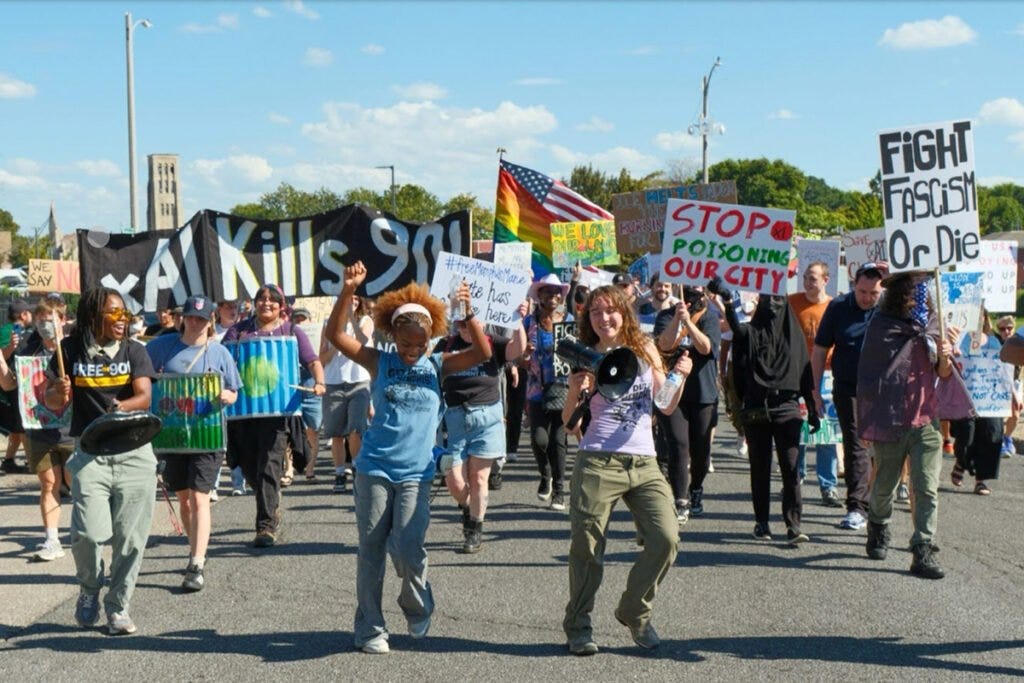
That reality speaks to the importance of the local organizing work being done to resist data centers in communities of color. The Memphis Community Against Pollution has been fighting racist industrial siting for five years, and has made fighting against Elon Musk’s planned xAI data center and its ancillary methane gas turbines central to its work, alongside local activists Young Gifted & Green and Protect Our Aquifer. ILSR’s partners at Media Justice launched a major toolkit for organizers fighting data center projects in the South, where they have a disproportionate impact on communities of color. The fights against data centers are broad, effective and increasingly anti-racist.