


Hello gang. This morning, more than 30 state attorneys general took the reigns in the monopolization trial against Live Nation and Ticketmaster. The trial’s restart is the culmination of one of the wildest weeks of antitrust law in recent memory, featuring more drama, plot twists and political corruption than a prime-time cop procedural. Now, despite the Trump administration’s best efforts, the break up of the most powerful and hated company in live music is back on the table, and in the hands of a jury. We’ll keep you posted when big trial news breaks.
Few folks understand the abusive power of Live Nation like Tommy Dorfman. Tommy’s story has been making the rounds this week — Live Nation and Ticketmaster allegedly used their dominance of the concert industry to bury Dorfman’s once-flourishing concert promotion business (he’s now a door-to-door salesman). I talked with Dorfman back in October 2025 about his 15-year fight against the Live Nation monopoly, but the time never felt quite right to post our interview.
Well, the time is certainly right to publish an interview with a front-line warrior against one of the most pernicious monopolies of the 21st Century. Here’s my conversation with Dorfman from October, which is even more pertinent today.
* This interview has been edited for clarity and brevity.
————
RK: Tommy, it’s great to be here with you. Why don’t you tell folks who you are and what you do?
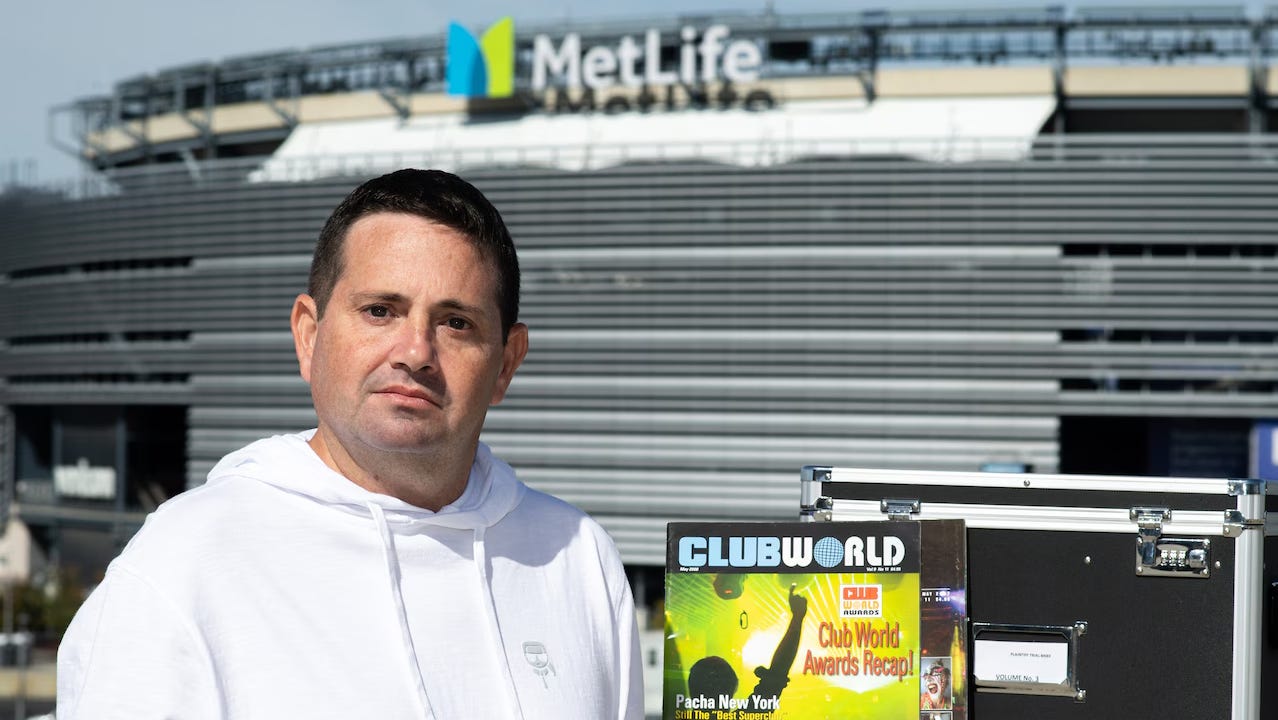
TD: Yeah, absolutely. And thanks a lot for speaking with me. So, you know, I was a nightclub and live music promoter for over 15 years, and I built a pretty big club promotion business. Back in 2011, I had a major contract at the Meadowlands—the home of the New York Jets and Giants—and I was about to put on the biggest EDM festival of my career.
And since then, I’ve been battling Live Nation. According to my lawsuit, they wiped me out of that contract, and I intend to prove at trial that their actions ruined my career. I’ve been fighting them in federal court now for about 15 years.
RK: Why don’t you give folks a quick overview of what happened? What’s in the lawsuit, and where things stand with the litigation?
TD: Yeah, sure. Look, there’s been a lot over the past 15 years. But to start: I was a promoter—really a house music promoter—before EDM was even considered cool. I ran events at major clubs throughout New York and New Jersey.
Eventually I kind of plateaued, you know? And I wanted to get bigger. I opened some nightclubs, including one with what was considered the number one sound system in the world. But I realized that if I wanted to grow beyond that level, the industry I needed to be in was festivals.
Because I saw house music—which eventually became EDM—was about to go mainstream. I really believed it was going to be like when rock and roll went mainstream.
So I made a deal with the State Fair Meadowlands, which is at the stadium complex where the Jets and Giants play. It was a 10-year contract. The fair had over 500,000 attendees over four weeks, and I had the exclusive right to produce concerts and events there. My startup event was going to be an EDM festival.
That was my passion—that’s where I came from, the house music scene. And everything was going great. We had staging set up, we had great partners involved, we had marketing in place. The artists were excited. We were literally at the point where we were about to start booking flights.
And then Live Nation found out about it and, according to my lawsuit, came in and wiped it out. At the time, honestly, I didn’t even really know who Live Nation was, because they were doing rock shows. They weren’t really in EDM yet.
RK: Right, right. What were your interactions like with folks from Live Nation when all this was going on?
TD: Yeah, so according to my allegations, it was kind of a multi-pronged attack.
The first thing that happened was through the State Fair Meadowlands. The owner told me that Live Nation had met with him and said they were going to block my talent. For example, they allegedly told him that if DJ Tiësto [a Dutch DJ known as the godfather of EDM] played my show, they would block him worldwide.
They also said they would block artists from William Morris Agency, which at the time was one of the largest talent agencies in the world—especially in the EDM space. And they said they were going to get me kicked out through the New Jersey Sports Authority and block my ticketing.
So that’s how I first heard about it. And honestly, I was shocked, because I had never dealt with Live Nation before.
RK: When did you really understand the pressure being exerted on you and decide, “Okay, I’ve got to take legal action”?
TD: Yeah, well, that was just the start.
At one point I was asked to go into Live Nation’s headquarters and meet with their top executives. In that meeting were Jason Miller, who was president of Live Nation New York City, and John D’Esposito, who was their vice president of talent.
According to my claims, they told me they were going to block my talent, block my ticketing, and essentially block the entire event if I didn’t partner with them and remove my partners from the deal. They said if I did that, they would fund the event.
Now, I had a handshake deal with my partners. Technically I could have done it, but I don’t break my word. So I refused.
According to my lawsuit, they tortiously interfered with my contract, defamed me, and pressured the Meadowlands Sports Authority, the State Fair owner, my partners, and the talent agencies. In the end, I lost my festival and my career.
I mean, just weeks before that, I was at the top of the scene—drinking champagne with people like Snoop Dogg and Paris Hilton, booking artists with one phone call. Then suddenly I lost everything. I went homeless and ended up going door-to-door selling cable just to survive.
That’s when I decided to file the lawsuit. At that point I had recordings of conversations with executives, and I thought, you know, once this came out they would apologize and make things right. But that’s not what happened. Those executives were actually promoted.
RK: When did the full structure and power of Live Nation become clear to you?
TD: Honestly, the moment it really hit me was during that meeting with their executives.
Jason Miller told me that if I didn’t partner with them, he was going to block my tickets from Ticketmaster. And I said, “That doesn’t make sense—I’ve done business with Ticketmaster before.”
And he said, “We own Ticketmaster.”
At first I thought he was bluffing. But when I walked out of the meeting, I Googled it and saw that Live Nation had merged with Ticketmaster. That’s when it really hit me how much power they had, and I realized I was in serious trouble.
RK: You’ve been fighting this for 14 or 15 years now. What’s that been like?
TD: Yeah, look, I have a really good lawyer, Andrew Smith. But it’s basically just him. One attorney.
Live Nation’s law firm has thousands of lawyers and paralegals, and the company itself has tens of billions of dollars. So, yeah—it’s frustrating.
We have a lot of evidence, but much of it has never even been discussed in court. Early in the case, a federal magistrate judge ordered Live Nation to turn over discovery within 30 days. Years went by and we only got about five percent of it.
Eventually we just ran out of money to keep fighting over discovery. From my perspective, they delay, they pressure, they confuse. They make technical arguments—sometimes it feels like arguing that the Tooth Fairy isn’t real.
I have a lot of respect for the courts, but when one side has that much power and money, it makes it extremely difficult.
RK: Do you have a trial date yet?
TD: We did. Last year—I believe it was March 5—we had a firm trial date, and I was really excited to finally get my day in court.
At the last minute Live Nation asked for another mediation. Over 15 years we’ve probably had 15 or 20 mediations. The court agreed to it.
More recently, hearings in the case were moved again, and arguments are now scheduled for November 18.
[Update: Dorfman says that during that hearing, his attorney, for the first time during this case, accused Live Nation of operating a criminal enterprise. The transcript has not been released publicly.]
RK: You could have walked away from this years ago. What keeps you going?
TD: That’s a great question.
At the beginning it was an economic dispute. I wanted my money back, my festival back, my career back.
But over time, as I saw more documents and information, it became bigger than that. I believe Live Nation’s system harms artists, venues, and especially fans.
Ticket prices keep going up, and I allege that’s partly due to an illegal rebate scheme. If that scheme disappeared, I believe ticket prices could drop 30 to 40 percent immediately.
Over the years I’ve come to feel like I have a moral obligation to keep fighting—not just for myself but for the music scene I loved. Independent promoters have mostly disappeared. Artist development has suffered. The whole industry has become centralized.
I have kids now, and honestly, if they told me they wanted to work in the entertainment industry, I’d probably tell them to choose another path.
I believe Live Nation’s system harms artists, venues, and especially fans. - Tommy Dorfman
RK: The Justice Department has filed a major antitrust lawsuit against Live Nation. Do you think it could change things?
TD: I was really happy to see that lawsuit happen. What’s interesting is that opposition to the Live Nation–Ticketmaster merger has always been bipartisan.
When the merger happened, even Congressman Bill Pascrell said publicly that approving it had been a mistake.
So I support the case, regardless of which administration is pursuing it. Personally, I believe the company should be broken up—maybe even into several pieces—so independent promoters and venues can thrive again and fans can get lower prices.
RK: What advice would you give communities pushing back against Live Nation expansion?
TD: Honestly? For promoters, I’d say this: don’t fight Live Nation unless you’re prepared for what happened to me.
Because fighting them can mean losing your career and spending years in court. I don’t blame artists for staying quiet either. Look at what happened when Pearl Jam challenged Ticketmaster in the ’90s—they struggled to get shows booked.
But fans do have power. People can speak to their mayors, their legislators, their members of Congress. They can push the Department of Justice and the FTC.
Live Nation spends a lot on lobbying, but voters still have influence. If fans want lower ticket prices and a healthier music scene, political pressure is where change can happen.
RK: Tommy, this has been great. Thank you for taking the time to talk with me.
TD: Thank you. I appreciate it.
Wow! These companies have way too much power. Thanks for sharing your interview.