


Unless you’re a Taco Bell devotee or a Chipotle stan, your favorite local restaurant is probably an independent one. From small town diners to French bistros, indie restaurants are the backbones of our neighborhood centers — especially now, when so many traditional brick-and-mortar shops have been forced out by small business killers Amazon and Walmart. Here in Kansas City, where I live, local restaurants are place-makers in all of the city’s most vibrant neighborhoods, helping fill retail storefronts and creating foot traffic that boost the fortunes other local shops and bars.
Independent restaurants often source the food they serve differently than chain restaurants and fast casual spots. For some restaurants and food trucks, farmers’ markets, specialty bakers, local dairies and local butchers help fill the menus. For the rest of the things restaurants need to operate — freezer staples, fryer oil, towels, aprons, herbs and spices and so on — most indie restaurants today have a choice.
Some local restaurants buy their supplies from the same major product distributors that the chains use. Sysco is the largest wholesale restaurant supply distributor in the country, selling everything from meat and vegetables, to sugar packets, to glasses and cups, to kitchen cleaning supplies. It’s a one-stop shop that often comes with high minimum purchases, delivery windows, and pushy sales reps.
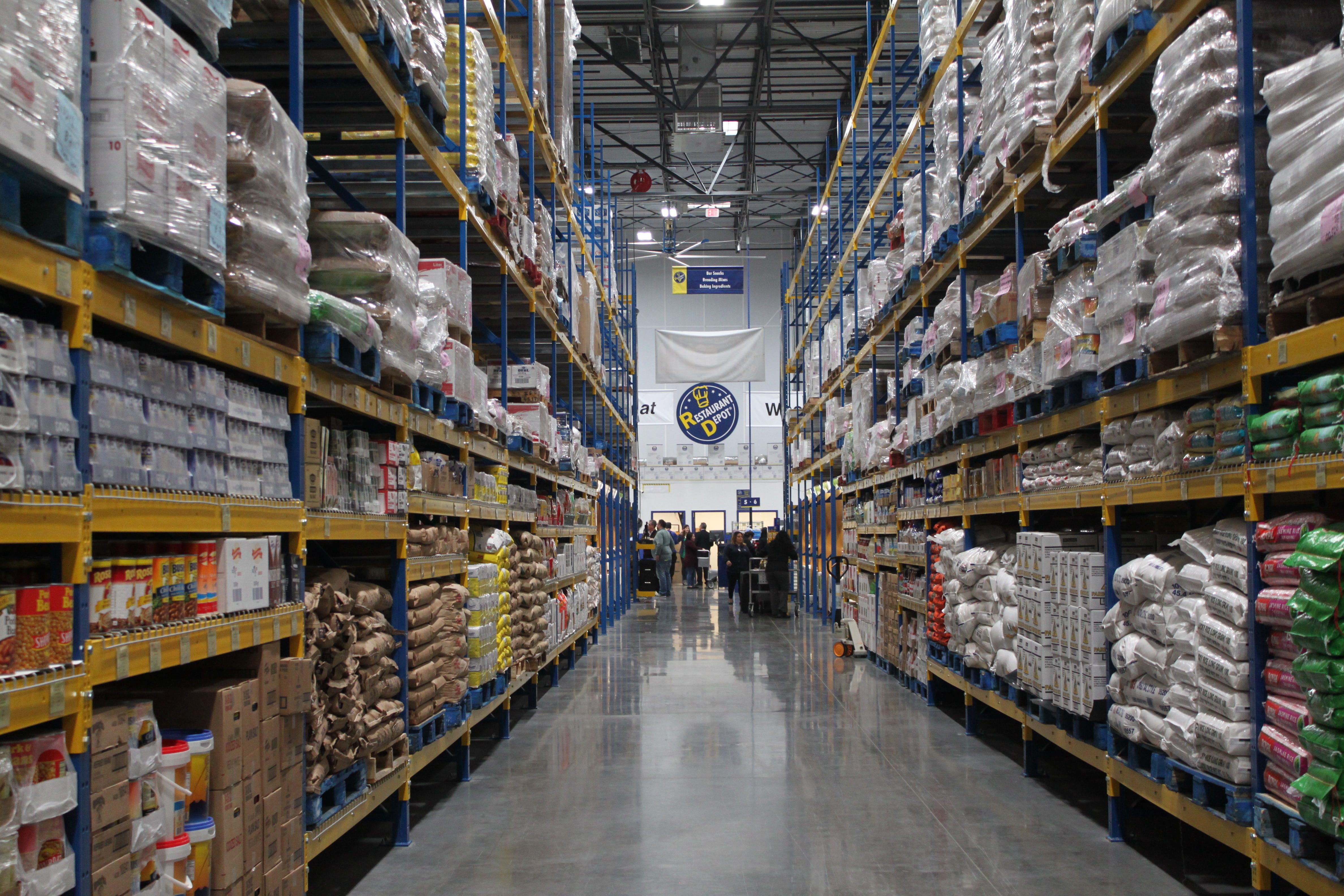
More often, independent chefs and restaurateurs get their supplies from their local Jetro Restaurant Depot warehouse, where the shelves are stocked to the ceiling with everything a mom-and-pop restaurant or a food truck owner needs to make it through the coming lunch or dinner rush. It’s a cash-and-carry business that sells goods in smaller amounts, which dovetails with the needs and cashflow of a one-off, independent restaurant or food truck. There’s no sales rep, no mandatory minimum purchases. Restaurant Depot’s prices are reasonable, in part because they compete on price with the Syscos of the world. In the restaurant ecosystem, Restaurant Depot provides a critical alternative for small, independent gastropubs, diners and other eateries.
That choice might be coming to an end. Last week, Sysco announced it planned to buy Restaurant Depot for a hefty $29 billion. The deal would give market leader Sysco full control of Restaurant Depot’s 166 warehouses and its many thousands of independent restaurant customers. Were the deal to close, all of those things that indie restaurants love about Restaurant Depot — the selection, the cash-and-carry convenience, and the competitive prices — would be under grave threat.
Now, the Federal Trade Commission will decide whether or not to challenge the deal over antitrust concerns. As bad as the merger would be for small restaurants, I don’t know that there’s a realistic chance the Federal Trade Commission, left to its own devices, will step in to stop it. For one thing, this particular FTC doesn’t seem to care much about its core job of stopping monopolies and bad mergers. But even if this FTC were awake and active, Sysco and Restaurant Depot don’t appear to compete in the exact same market — at least not in the technical antitrust sense. Sysco by in large serves larger restaurant chains, while Restaurant Depot serves the little guys. Yes, they both sell the same kinds of things, but to slightly different buyers.
Sysco is certainly optimistic the FTC will see things that way. “The facts of the case are it is a different channel, the primary customer is different, and there are synergies on how we can bring value to the end consumer,” Sysco CEO Kevin Hourican told Reuters.
It’s one reason why our economy is now just five corporations in a trench coat: Conglomerates buy up everything around them and the antitrust cops just shrug.
Not challenging the deal would mean the FTC has again defaulted to the same short-sighted thinking that has plagued the agency for years and contributed to our monopolized economy. It’s why enforcers didn’t see a problem when Google wanted to buy DoubleClick, which cemented Google’s digital advertising monopoly. It’s how Amazon was able to purchase Whole Foods with virtually no pushback whatsoever. Unless a merger includes two companies that sell or buy the exact same things, the feds have generally fumbled around and not known what to do with it. It’s one reason why our economy is now just five corporations in a trench coat: Conglomerates buy up everything around them and the antitrust cops just shrug.
Ask most independent restaurant owners and chefs, and they’ll tell you that Sysco and Restaurant Depot serve as crucial counter-balances to one another, and the fact that they both exist and offer similar products is what keeps the industry honest. That’s why those exact restaurants have become the loudest voice to oppose the deal, and to try to get the FTC to take action.
The Independent Restaurant Coalition has long been an active voice in policy matters that impact local restaurants. They fight against credit card monopolies and their sky-high fees, and have pushed back against predatory third-party delivery apps. They also advocate for policies that make restaurant workers’ lives easier, like affordable child care and more pathways to legal work status for immigrants.

So it’s no surprise the coalition has jumped to the front lines in the fight against the Sysco/Restaurant Depot deal. Erika Polmar, the group’s executive director, says the deal will kill important competition by putting both systems restaurants use for securing food and kitchen staples into the hands of a single company.
“When Sysco owns both the delivery truck and the warehouse, there’s no more checking one against the other. No more leverage. No more somewhere else to go,” Polmar says in a statement.
Polmar and the coalition will push the FTC to stop this deal, although its unclear whether this two-commissioner, Republican-only FTC will listen. The FTC should listen, and they should care. Independent restaurants are crucial to all kinds of communities in all kinds of places, urban, suburban and rural. Any lost price competition between Sysco and Restaurant Depot will lead to higher costs for restaurants — and higher bills for diners. The country’s spiraling crisis of affordability should be a bipartisan issue and one the FTC leads on. We’ll see what happens.
Polmar is also calling on coalition members to demand Congress take action. Congress can’t do much to block a deal on its own, but it can hold hearings and call executives to testify. Lawmakers have so far been quiet on the deal, but with the coalition’s campaign ramping up, that may change. As always, we’ll keep you posted.